

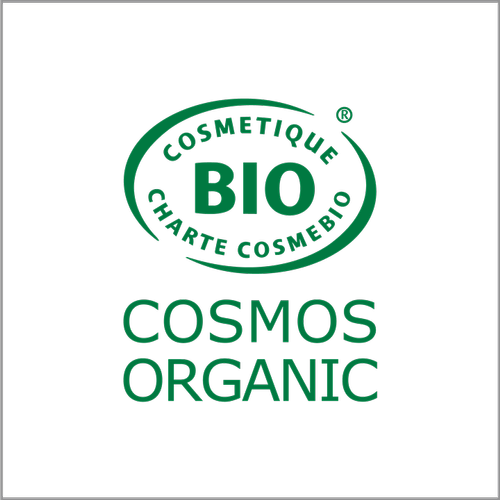


Organic certification for cosmetics involves ensuring that the products meet specific standards set by organizations like the USDA (United States Department of Agriculture) or various other international certification bodies. These standards typically require that cosmetics are made from ingredients derived from organic farming practices, which avoid the use of synthetic pesticides, fertilizers, genetically modified organisms (GMOs), and other potentially harmful chemicals.
Here’s a general outline of the process for obtaining organic certification for cosmetics:
1. **Ingredient Sourcing**: Ensure that all ingredients used in the cosmetic products come from certified organic sources. This includes botanical extracts, oils, waxes, and other raw materials.
2. **Formulation**: Develop cosmetic formulations that comply with organic standards. This means avoiding certain synthetic chemicals, fragrances, and preservatives commonly found in conventional cosmetics.
3. **Manufacturing Process**: Implement manufacturing processes that prevent contamination with non-organic substances and maintain the integrity of organic ingredients.
4. **Documentation and Record-Keeping**: Keep detailed records of ingredient sourcing, formulation, manufacturing processes, and product testing. Documentation is essential for demonstrating compliance with organic standards during the certification process.
5. **Certification Application**: Submit an application for organic certification to the relevant certification body, such as the USDA or other recognized certifying agencies. The application will typically require detailed information about the company, products, ingredients, and manufacturing processes.
6. **Inspection**: A representative from the certification body may conduct an on-site inspection of the facilities to verify compliance with organic standards. This may include reviewing records, observing manufacturing processes, and sampling products for testing.
7. **Certification Approval**: If the inspection confirms compliance with organic standards, the certification body will issue an organic certification for the cosmetics. This certification allows the products to bear the organic label and be marketed as organic.
8. **Annual Renewal**: Organic certification is typically valid for a limited period, often one year, and must be renewed annually. Renewal requires ongoing compliance with organic standards and may involve additional inspections or documentation.
It’s important to note that the specific requirements for organic certification may vary depending on the certification body and the country or region in which the products are being marketed. Additionally, some certification bodies may offer different levels of certification (e.g., “100% organic,” “made with organic ingredients”) based on the percentage of organic ingredients used in the product formulations.
Type of Certification New Certification
Type Of Industry Manufacturing
Type Of Service Provider Consulting Firm
100 percent organic: Product must contain (excluding water and salt) only organically produced ingredients. Products may display the USDA Organic Seal and must display the certifying agent’s name and address. Organic: Product must contain at least 95 percent organically produced ingredients (excluding water and salt).
Be the first to review “Organic Certification for Cosmetics”
Related products
Sale!
Organic Certifications
Original price was: ₹30,000.00.₹25,000.00Current price is: ₹25,000.00.
Sale!

Organic Certifications
Original price was: ₹102,000.00.₹100,000.00Current price is: ₹100,000.00.
Sale!
Organic Certifications
Original price was: ₹25,000.00.₹19,990.00Current price is: ₹19,990.00.

Organic Certifications
₹20,000.00
Sale!
Organic Certifications
Original price was: ₹25,000.00.₹19,990.00Current price is: ₹19,990.00.
Sale!
Organic Certifications
Original price was: ₹30,000.00.₹25,000.00Current price is: ₹25,000.00.
Sale!

Organic Certifications
Original price was: ₹40,000.00.₹35,000.00Current price is: ₹35,000.00.
Sale!
Organic Certifications
Original price was: ₹25,000.00.₹19,990.00Current price is: ₹19,990.00.
Reviews
There are no reviews yet.